Feeling Stuffed Up at Home? You Are Not Alone
Do your eyes itch, your nose runs, and your throat feels scratchy the minute you walk through the door? Many people notice their allergies flare up indoors and calm down outside. If you have been thinking, why are my allergies worse inside house than out in the fresh air, you are in the right place. Allergies worse inside house? Discover why symptoms spike at home, the most common indoor triggers, and quick fixes you can start today to breathe easier.
At Cream City Carpet Cleaning, we see this all the time when we help Milwaukee homeowners and businesses. Dust, dander, and microscopic particles hide deep in carpets and upholstery. Without the right cleaning schedule and techniques, those allergens take over your living space. The good news is that small changes and smart cleaning can make a big difference in how you feel at home.
Why Allergies Can Be Worse Indoors
There are a few reasons allergies can feel more intense inside. Homes are closed spaces. Air moves less than it does outdoors. Particles like pollen and dust have fewer places to go and can build up fast. Heating and cooling systems recirculate the same air. Carpets, rugs, and furniture fabrics trap allergens until they are disturbed by walking, vacuuming, or even sitting down.
Another reason has to do with time. Most of us spend many hours each day inside, especially during cold Milwaukee winters or hot summer days. More exposure equals more irritated sinuses. If you are wondering why allergies feel worse inside house, it often comes down to what is floating in your indoor air and what is settled in soft surfaces you use every day.
Common Indoor Triggers That Make Allergies Worse
Dust Mites
Dust mites are tiny pests that feed on dead skin cells. They thrive in warm, humid areas and love soft surfaces like carpets, mattresses, and upholstered furniture. Their waste is a potent allergen that can trigger sneezing, wheezing, and watery eyes. When you walk across a carpet or fluff a pillow, dust mite allergens can become airborne and easy to breathe in.
Pet Dander
Even the cleanest, sweetest pet produces dander, tiny flakes of skin that can be a strong allergen. Dander clings to fibers in carpet, rugs, and furniture. It also sticks to walls and can float in the air for long periods. If you have pets, you may notice allergies worse inside house because their dander concentrates in your living spaces.
Mold Spores
Mold needs moisture to grow. Basements, bathrooms, kitchens, and areas near windows are common trouble spots. Mold spores can be carried into other rooms and settle into carpeting and fabric. For people sensitive to mold, even a small amount can trigger symptoms.
Indoor Pollen
Pollen is not just an outdoor problem. It comes inside on shoes, clothing, hair, and on pets. Once inside, pollen can settle into carpet pile and fabrics. Each footstep or vacuum pass stirs it up again.
Volatile Organic Compounds
Some cleaning products, paints, and fragrances release gases called VOCs. While not always allergens, they can irritate airways and make allergy symptoms feel more intense. Choosing low scent and eco-friendly products can help reduce the irritation layer you feel on top of your allergies.
Cockroach Droppings
In multi-unit buildings or older homes, cockroach droppings and body parts can become airborne allergens. Even if you never see a cockroach, traces can still circulate and cause reactions.
Signs Your Home Is Making Your Allergies Worse
- Your symptoms get worse after you vacuum, dust, or sit on carpeted floors or upholstered furniture.
- Your eyes and nose feel better when you leave the house for a few hours.
- You notice musty or stale smells in certain rooms, closets, or near vents.
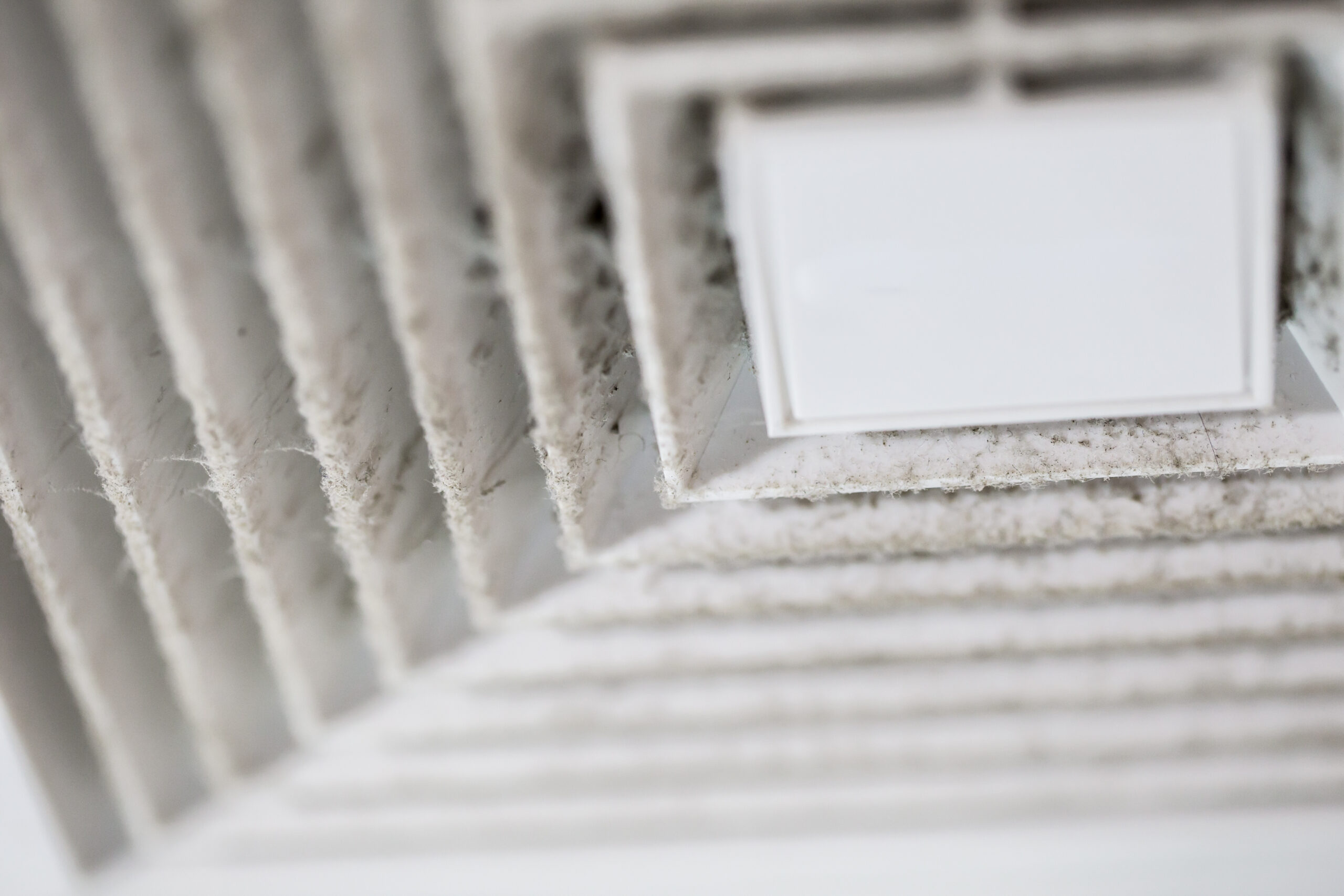
- There is visible dust on baseboards and around vents only days after cleaning.
- Pets often scratch or shake, which releases more dander into the air.
- You see condensation on windows or have humidity above 50 percent.
Why Allergies Feel Worse Inside House During Certain Seasons
Spring and fall bring more outdoor pollen that ends up in your entryway rugs, hall carpets, and couch fabrics. Winter traps everything inside when windows stay closed and heating runs, which can dry out sinuses and stir up dust. Summer humidity helps mold and dust mites multiply. Each season can push a different trigger, which is why the phrase allergies worse inside house can feel true year-round.
Quick Fixes You Can Do Today
You can start to control indoor allergens right now with simple steps. These actions help cut down on particles that trigger your symptoms and stop them from building up week after week.
- Change HVAC filters every one to three months and choose high-quality filters with a higher MERV rating that your system can handle.
- Vacuum slowly with a sealed HEPA vacuum two to three times a week, especially in bedrooms and living rooms.
- Use a quality doormat outside and inside each entry and ask family and guests to remove shoes at the door.
- Wash bedding weekly in hot water and encase mattresses and pillows in allergy-proof covers.
- Keep indoor humidity between 40 and 50 percent with a dehumidifier or by running exhaust fans.
- Open windows briefly on low pollen days to refresh indoor air, then close them to limit new allergens.
- Dust with a damp microfiber cloth so particles stick instead of floating around.
- Groom pets regularly and keep them out of bedrooms if possible.
- Choose unscented, eco-friendly cleaners that reduce respiratory irritation.
Deep Cleaning Strategies That Actually Help
Vacuuming is important, but it does not reach deep into carpet fibers and upholstery the way professional hot water extraction does. That is where companies like Cream City Carpet Cleaning come in. We serve Milwaukee and nearby areas with powerful truck mounted equipment and eco-friendly products designed to remove embedded dust, dander, and residue that everyday cleaning leaves behind. When you focus on the surfaces that trap allergens, you start to see fewer flare-ups.
Carpet and Area Rugs
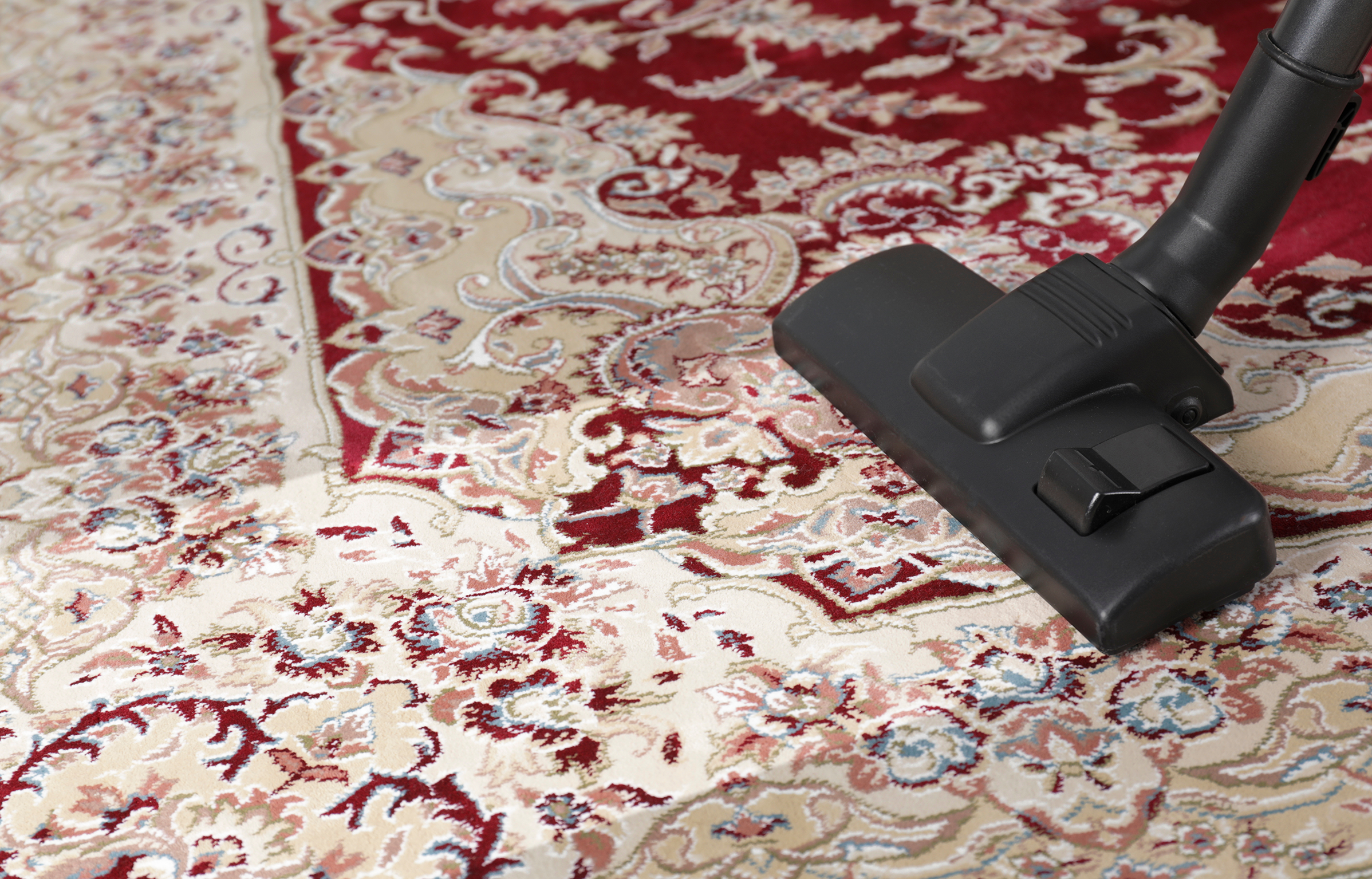
Carpet is cozy and quiet, yet it acts like a filter that never gets emptied. Over time it holds on to dust mite waste, pet dander, pollen, and food particles. Professional cleaning lifts and flushes this debris out. Cream City Carpet Cleaning uses hot water extraction that reaches deep down without soaking the pad. The result is cleaner fibers and fewer allergens released with each step.
Upholstery
Sofas, chairs, and mattresses quietly collect allergens from clothes, pets, and daily use. A thorough upholstery cleaning can make a big difference for anyone who spends time resting or watching TV in the living room. We clean fabrics with the right pre-treatment and gentle but effective rinsing so you can breathe easier where you relax most.
Tile and Grout
It is easy to forget about tile and grout when you think about allergies. Yet grout lines can hold onto dust and even support mildew growth in damp rooms. Professional tile and grout cleaning removes buildup that simple mopping leaves behind and helps keep moisture-loving allergens in check.
Pet Odor and Stain Removal
Pet accidents are more than stains and smells. They are also allergen hotspots. Enzymatic treatments target the source so you are not just covering up the problem. Cream City Carpet Cleaning offers pet odor and stain removal that helps reduce triggers while restoring the look of your floors and fabrics.
How Often Should You Clean for Allergies
Consistency prevents particles from sitting in your home long enough to cause trouble. Here is a simple schedule that works for most homes. Adjust it based on your household size, pets, and how sensitive you are.
- Vacuum high-traffic areas: two to three times per week with a HEPA vacuum.
- Dust hard surfaces: once or twice per week using a damp microfiber cloth.
- Wash bedding: weekly in hot water and dry completely.
- Clean area rugs: vacuum twice per week and deep clean every six to twelve months.
- Professional carpet cleaning: every six to twelve months, more often with pets or severe allergies.
- Upholstery cleaning: every six to twelve months, or sooner for favorite seats.
- Tile and grout cleaning: yearly, with extra attention to damp rooms.
- Replace HVAC filters: every one to three months based on dust and pet levels.
HVAC, Humidity, and Airflow Secrets
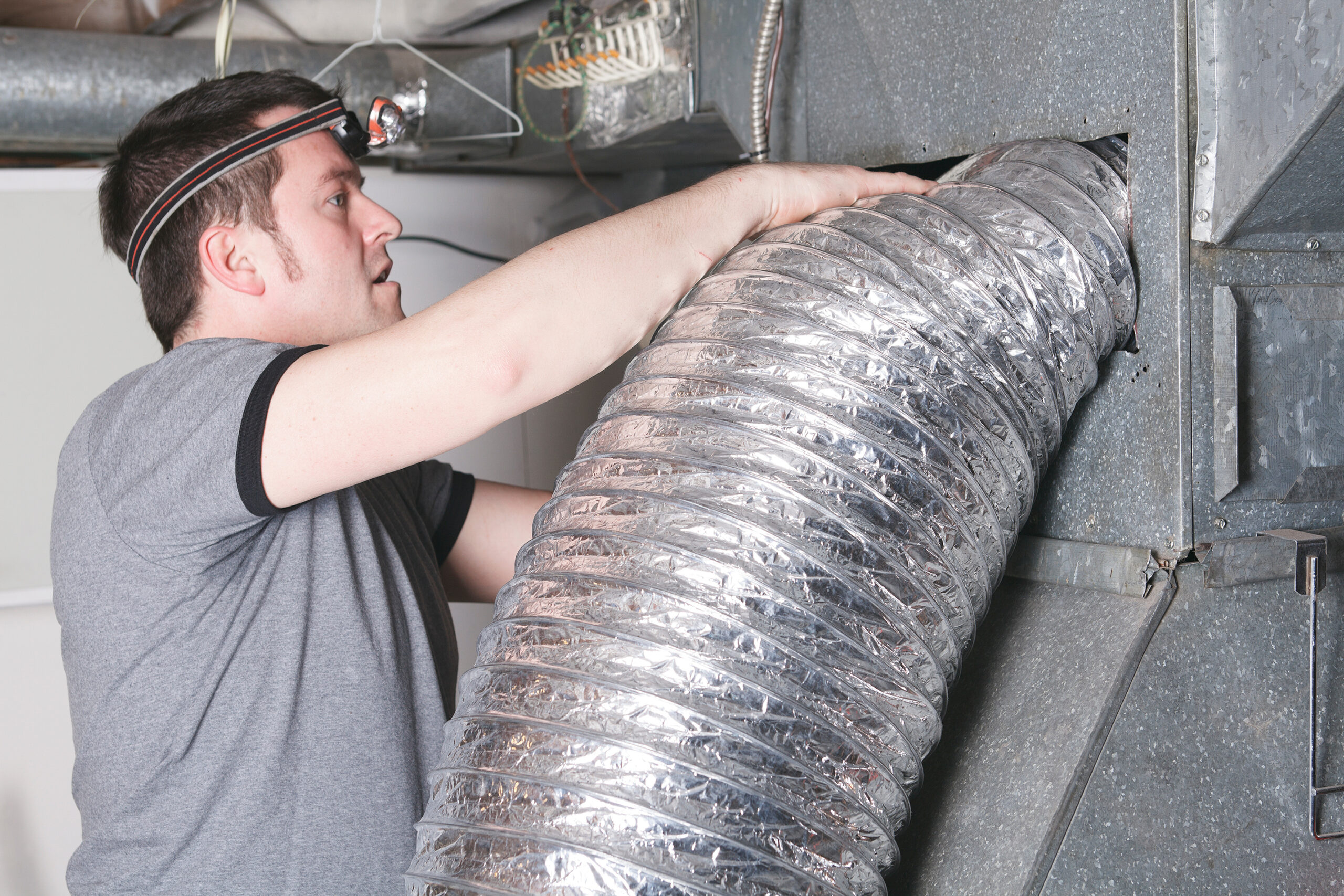
Your HVAC system plays a big role in indoor allergies. A higher MERV filter that your system can handle safely traps more particles. Sealed ductwork keeps dust from being pulled into the air stream. Exhaust fans in bathrooms and kitchens remove steam and reduce mold growth. Balanced humidity helps too. Dust mites and mold thrive when humidity is high. Keep levels between 40 and 50 percent with dehumidifiers in basements and by venting clothes dryers outdoors.
When to Call a Professional
If you have already made changes at home and still notice allergies worse inside house, a deeper clean is likely needed. Professional floor and fabric care removes the buildup that daily cleaning cannot reach. In Milwaukee and the surrounding areas, Cream City Carpet Cleaning helps homeowners and businesses reduce allergen loads with strong yet safe cleaning. Our team is known for being prompt, professional, and thorough. We offer clear pricing with no hidden fees and no upselling. You get the right clean for what your home needs.
What Makes Cream City Carpet Cleaning Different
- Locally owned and operated. We understand Milwaukee homes, seasons, and common indoor allergy issues.
- Powerful truck mounted equipment that pulls allergens and residue out of carpet and upholstery.
- Eco-friendly products that clean effectively without harsh fumes.
- Services beyond carpet. We clean upholstery, area rugs, tile, and grout, and we remove pet odors and stains.
- Honest pricing and real results. We focus on what your home needs and do not push extras you do not want.
- Flexible scheduling and prompt service from a team that respects your time.
Simple Room-by-Room Tips to Cut Allergens
Bedroom
Use encasements for pillows and mattresses. Wash sheets and blankets weekly in hot water. Keep pets off the bed if possible. Vacuum under the bed and along baseboards where dust gathers. Consider replacing heavy drapes with washable shades or blinds.
Living Room
Vacuum couches and chairs with a brush attachment. Rotate cushions so the same side is not always collecting dust. Use a washable throw to protect the area where pets like to nap. Schedule professional upholstery and carpet cleaning to remove embedded debris.
Entryway
Use two mats, one outside and one inside, to trap pollen and dirt. Create a shoe-free area to prevent tracking allergens deeper into the house. Wipe pet paws when they come in from outside.
Kitchen and Bathroom
Run exhaust fans when cooking or showering to control humidity. Wipe up moisture and clean grout lines regularly. Watch for leaks under sinks and around toilets that can lead to mold growth.
FAQs About Indoor Allergies
Could my carpet really be the reason my allergies are worse inside house?
Carpet and rugs act like filters and hold onto dust, dander, and pollen. Each step can release particles into the air. Regular vacuuming helps, but professional hot water extraction from a trusted company like Cream City Carpet Cleaning removes deep buildup and often leads to noticeable relief.
Do I need to get rid of my pets to feel better?
No. While pet dander is a common trigger, good grooming, HEPA vacuuming, and regular professional cleaning can reduce dander levels. Keeping pets off beds and cleaning favorite lounging spots more often helps too.
Is steam cleaning safe for allergies?
Yes, when done correctly. Proper hot water extraction moves soil and allergens out of your home. Cream City Carpet Cleaning uses methods that rinse and extract rather than leave residue, which is key for reducing allergen buildup.
How fast will I notice a difference after a deep clean?
Many people feel an improvement within days as airborne dust and trapped allergens drop. Results vary based on your sensitivity and other factors like humidity and ventilation, but a deep clean is a strong step forward.
Allergies Worse Inside House: Your Action Plan
Here is a straightforward plan to get control. First, change your HVAC filter and set a reminder. Second, vacuum with a HEPA vacuum and dust with a damp microfiber cloth two to three times a week. Third, wash bedding weekly and use encasements. Fourth, manage humidity between 40 and 50 percent. Fifth, schedule a professional deep cleaning for carpets, rugs, and upholstery. In the Milwaukee area, Cream City Carpet Cleaning makes that last step easy with friendly service, eco-conscious products, and results you can see and feel.
Breathe Easier With Help From Cream City Carpet Cleaning
When you add up dust, dander, pollen, and everyday life, it makes sense that allergies often feel stronger at home than outdoors. The solution is not to live outside. It is to lower your indoor allergen load with steady habits and the right deep cleaning support. Cream City Carpet Cleaning is proud to help Milwaukee families and businesses create healthier, fresher spaces. We combine strong equipment, careful techniques, and honest pricing to deliver high-quality results.
If you are tired of allergies worse inside house, let us help you clear the air. Reach out to Cream City Carpet Cleaning to schedule your carpet, upholstery, area rug, or tile and grout cleaning. We will walk you through the process, answer questions, and tailor the service to your home. Take control of your indoor air and start feeling better where it matters most, right at home.
Note: If you have severe or persistent symptoms, check in with a healthcare provider for guidance. Professional cleaning is part of a complete approach to allergy relief, along with medical care and good home habits.