Read This Before You Scrub: Rugs You Should Not Clean Yourself
Rugs you should not clean yourself are more common than most people think. The wrong cleaner can cause permanent dye bleed, shrinking, yellowing, or fiber damage. In this guide, you will learn which rug fibers and dyes react badly to store-bought cleaners, the types of damage to avoid, safer at-home steps, and when to call a trusted professional like Cream City Carpet Cleaning in Milwaukee.
Why Store-Bought Cleaners Can Ruin the Wrong Rug
Many off-the-shelf products are made for synthetic wall-to-wall carpet, not delicate area rugs. They often contain brighteners, solvent blends, high pH detergents, or oxidizers that can strip color and weaken natural fibers. The label may say safe for carpet, but rugs are different. Their fibers, construction, dyes, and backings need a gentler and more controlled approach.
Here are the most common ways store-bought cleaners destroy rugs:
- Dye bleed and color transfer when water or cleaner reactivates unstable dyes
- Brown or yellow staining from high pH or over-wetting
- Fiber distortion, matting, and stiffness after residue is left behind
- Shrinkage or rippling when natural fibers swell unevenly
- Separation of layers in tufted rugs when latex backing gets soaked
- Musty odor and mildew from slow or improper drying
Rugs You Should Not Clean Yourself: The High-Risk List
Not every rug is fragile, but many popular styles fall into the high-risk category. If your rug is on this list, skip store-bought spotters and call Cream City Carpet Cleaning for a professional evaluation. We will guide you to a safe cleaning plan that protects your investment.
Wool Rugs
Wool is strong and durable, yet it reacts poorly to harsh chemicals. High pH cleaners strip natural oils and leave wool scratchy and dull. Strong oxidizers can lighten colors and cause uneven shading. Over-wetting can cause rippling and color bleed. Hand-knotted Persian or Oriental wool pieces are especially sensitive because they are often dyed with natural or hand-applied dyes. Wool rugs are classic examples of rugs you should not clean yourself with store products.
Silk Rugs
Silk is delicate and absorbs stains easily. It can lose luster when cleaned with the wrong solvent or detergent. Water alone can create rings on silk pile. Spotting with a strong cleaner can break fibers, leaving fuzzy patches. Real silk and artificial silk require controlled pH, gentle methods, and quick drying. If you see a shiny, soft, and fine pile, assume it needs professional care.
Viscose, Rayon, and Bamboo Silk
These popular look-alikes are often sold as art silk. They are made from wood pulp fibers that weaken fast when wet. Store-bought cleaners can cause grayish fiber loss, stiffness, and permanent water marks. Even light rubbing can strip the sheen. These are among the top rugs you should not clean yourself because the risk of ruin is high.
Antique and Hand-Dyed Rugs
Older rugs and artisan pieces often use natural dyes or overdyed finishes. Colors can migrate when hit with water or common cleaners. Some reds and blues bleed even with gentle solutions. Once dyes mix, the damage is hard to reverse. Testing for dye stability is essential, which is part of professional rug care.
Moroccan and High-Pile Wool
Berber and shag styles with thick wool piles trap soil deep inside. Scrubbing the tips with a spray cleaner only drives dirt deeper and mats the fibers. Over-wetting can cause strong odors and long dry times that encourage mildew. These styles need dusting equipment and controlled washing that most homes do not have.
Jute, Sisal, and Seagrass
Plant-based rugs react badly to moisture. Water can cause discoloration and shrinkage. Many spot cleaners leave tide marks that never blend in. These rugs often require dry compound methods or specialized cleaning, not typical spray-and-blot routines.
Leather, Cowhide, and Sheepskin
Animal hides do not tolerate standard carpet cleaners. Water-based products can stiffen the hide and lift the hair. Strong solvents can damage the finish. These pieces are best left to specialists who can treat stains without harming the hide.
Tufted Rugs With Latex Backing
Many department store rugs are tufted with a latex glue backing and a fabric cover. Heavy moisture can soften the adhesive, leading to delamination or a crumbling mess. Some cleaners react with the glue and create a strong odor. These rugs need low-moisture techniques and careful drying.
Overdyed and Acid-Washed Rugs
Trendy overdyed rugs get their bold color from post-dye treatments. Strong cleaners can strip or streak the color. Acid-washed or distressed rugs are similarly unstable. Testing is critical to avoid color loss.
White or Off-White Cotton Rugs
Cotton looks simple, but it browns easily and shows every ring. It also absorbs oils that are hard to remove with store spotters. Aggressive cleaners can cause fiber wear and yellowing. Brighteners might make patches look different than the rest of the rug.
Common Signs Your Rug Is Already Damaged
If you have tried a store product and your rug looks worse, you may be seeing one of these issues. Stop cleaning attempts and call Cream City Carpet Cleaning for a professional assessment.
- Color bleeding or halos around the spot
- Brown or yellow stains after drying
- Crunchy or stiff texture with dull color
- Wavy edges or rippling
- Persistent musty odor
- White powder or crumble from the backing
- Fuzzy or frayed fibers in the cleaned area
Safer Steps You Can Take at Home
If a spill happens, you can limit damage without reaching for a harsh cleaner. These steps are safe for most rugs, including those rugs you should not clean yourself with store-bought products.
- Act fast and blot. Use a white cotton towel to blot, not rub. Replace towels as they absorb moisture.
- Use plain water sparingly. If you must, lightly dampen a towel and blot from the edges inward.
- Avoid heat. Do not use a hair dryer, iron, or heater on the rug.
- Lift and air. If possible, lift the rug to allow airflow under and over the spot.
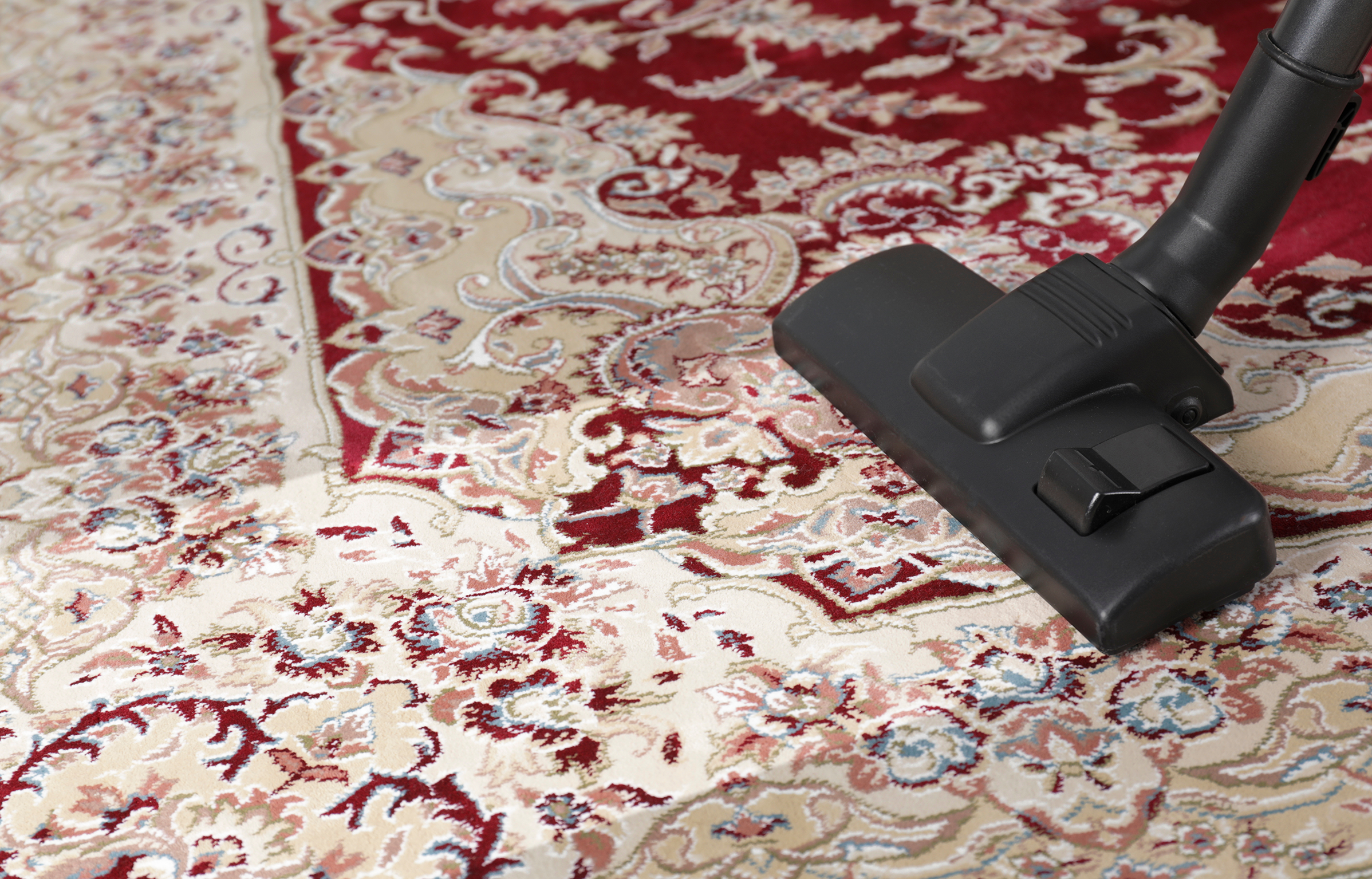
- Vacuum dry soil. Use a vacuum with the beater bar off for delicate fibers to remove loose grit.
- Test nothing new. Do not try random cleaners or home mixes on valuable rugs.
What Professionals Do Differently
A skilled rug cleaner does far more than spray and scrub. At Cream City Carpet Cleaning, we start with a fiber and dye analysis, then suggest the method that fits your rug. For many area rugs, an in-plant wash allows safe dusting, controlled washing, and precise drying. Here is what that might include:
- Pre-inspection and dye stability testing
- Dry soil removal with specialized dusting equipment
- Pre-treatment matched to fiber and dye type
- Immersion or low-moisture wash as appropriate
- Clear rinsing to remove residues
- Speed drying with proper airflow and temperature
- Grooming and finishing to restore feel and nap
For wall-to-wall carpet and some synthetic rugs, our truck-mounted equipment delivers deep cleaning with eco-friendly products and strong extraction. For delicate area rugs, we guide you on whether in-home or in-plant care is best. Either way, the goal is to clean thoroughly without risking damage.
Specific Spills That Need Extra Care
Some spills call for professional attention even on durable rugs. If any of these occur on the rugs you should not clean yourself, call Cream City Carpet Cleaning right away.
- Pet urine that can alter dye and damage fibers over time
- Wine, coffee, or tea that may cause tannin stains
- Grease and cooking oils that bond to fibers
- Rust from metal furniture or planters
- Ink or marker that can set fast
Costly Mistakes to Avoid
Trying to save money with a quick spray often leads to larger repair bills. Avoid these common errors when dealing with sensitive rugs.
- Scrubbing hard. Friction distorts fibers and spreads the stain.
- Using colored towels. Dye can transfer to the rug.
- Soaking the rug. Over-wetting leads to dye bleed and mildew.
- Applying baking soda paste. Residue can be hard to rinse and may cause abrasion.
- Using bleach or peroxide. These can strip dye and weaken fibers.
- Skipping a rug pad. Lack of cushioning increases wear and stress.
How to Tell If Your Rug Needs Professional Cleaning
Even without spills, rugs collect dust, grit, and allergens. Here are signs it is time to schedule cleaning with a local expert like Cream City Carpet Cleaning.
- Color looks dull even after vacuuming
- Odor returns soon after surface cleaning
- Visible traffic lanes or flattened pile
- Increased sneezing or dust when you shake the rug
- Spots that keep reappearing after they dry
Milwaukee’s Trusted Choice for Rug Care
Cream City Carpet Cleaning is a locally owned company serving Milwaukee and nearby communities. We are known for prompt service, fair pricing, and straight answers. Our team uses eco-friendly products and professional-grade equipment to deliver a deep, careful clean. We do not upsell or hide fees. We simply explain your options and provide the right level of care for your rug.
Whether you have a delicate heirloom, a modern viscose piece, or a thick wool shag, we tailor our approach to protect your rug. If a store-bought product already caused a problem, we will assess the damage and lay out the best path forward.
Frequently Asked Questions
Can I use a carpet spot cleaner on my area rug?
It depends on the fiber and dyes. Most spot cleaners are designed for synthetic wall-to-wall carpet. They can cause damage on wool, silk, viscose, jute, and hand-dyed rugs. When in doubt, assume it is a rug you should not clean yourself and call a pro.
What if the cleaner says safe for all carpets?
Rugs are not the same as carpet. A safe-for-carpet label does not guarantee safety for natural fibers or artisan dyes. Test spots do not always predict long-term effects like fading, browning, or stiffening.
How often should I clean my rug?
Most rugs need professional cleaning every 12 to 24 months, depending on traffic and soil. Homes with pets or allergies may need more frequent service. Regular vacuuming and rotation every six months help as well.
Is vacuuming safe for delicate rugs?
Yes if you set the vacuum correctly. Turn off the beater bar or use a handheld tool for silk, viscose, and antique pieces. Vacuum with light pressure and avoid fringe. For heavy rugs, vacuum both sides to remove grit.
Can Cream City Carpet Cleaning pick up my rug?
Yes. For many area rugs, in-plant cleaning is best. We can arrange pickup and delivery in the Milwaukee area and provide a quote based on size, fiber, condition, and construction.
Simple Maintenance Tips to Keep Rugs Looking Great
Preventive care goes a long way, especially for rugs you should not clean yourself with store products. These small habits protect your rug and cut down on deep cleanings.
- Use a quality rug pad to reduce wear and slipping
- Rotate rugs every six months for even sunlight and traffic
- Keep food and colored drinks away from delicate fibers
- Trim loose yarns carefully. Do not pull them
- Address spills right away with blotting and airflow
- Schedule routine professional cleaning before soils build up
Why Choose Cream City Carpet Cleaning
We pair expertise with friendly service. As a Milwaukee-based company, Cream City Carpet Cleaning takes pride in prompt arrivals, clear communication, and careful work. We use eco-friendly products and proven methods. For carpet, we use truck-mounted equipment for strong extraction. For area rugs, we recommend in-home or in-plant service based on what is safest and most effective for your piece. We also handle upholstery, tile and grout, pet odor and stain removal, and more. Our pricing is honest and our results are consistent.
When It Is Time to Call
If you have a rug on the high-risk list, do not test store cleaners. The cost of a professional cleaning is usually far less than replacing a damaged rug. A short phone call with Cream City Carpet Cleaning can save you from expensive mistakes. We will help you decide what to do next and schedule service that works for you.
Final Takeaway
Many popular styles are rugs you should not clean yourself, including wool, silk, viscose, jute, antique, and hand-dyed pieces. Store-bought products can cause dye bleed, browning, stiffness, and shrinkage. Stick to blotting and vacuuming at home, and leave deep or risky cleaning to professionals. If you are in Milwaukee or nearby, reach out to Cream City Carpet Cleaning for expert care that protects your rug, your home, and your budget.
Ready for safer, smarter rug care? Contact Cream City Carpet Cleaning today to schedule an inspection or pickup. We are here to help your rugs look their best for years to come.