Introduction: Dirty Air Ducts Symptoms You Should Not Ignore
Dirty air ducts symptoms can be easy to miss until they affect your comfort, your health, and your wallet. This guide shows what dirty air ducts really look like, how they affect indoor air quality and energy bills, and when to clean them. You will learn how to spot the signs and how to plan an inspection. As a local leader in clean and healthy homes, Cream City Carpet Cleaning helps Milwaukee families cut dust at the source so your HVAC system can run cleaner for longer.
What Dirty Air Ducts Actually Look Like
Most people rarely see inside their ductwork, so it is hard to picture what dirty ducts look like. The buildup is often gradual. Dust collects on vent covers and then settles into the first few feet of the duct. Over time, you get visible rings of gray dust, lint clumps, and a sticky film in areas where humidity and cooking oils mix with dust. If you could look deeper inside, you might see matted fibers, pet hair nests, and fine grit from renovation dust. None of this is dramatic on day one, but it adds up with every heating and cooling cycle.
Visual Signs Around Vents and Grilles
- Dark rings or gray smudges around the edges of supply registers
- Wads of lint and hair caught on vent fins
- Fine dust that returns within a day of wiping the vent cover
- A sticky, slightly shiny film that traps more dust on kitchen-adjacent vents
- Noticeable dust puffs when the HVAC first kicks on
- Rusty or stained vent screws that suggest long-term moisture or spills into the register
What You Might See Inside the Duct
Shine a flashlight into a vent and you might see a thin layer of gray dust on the metal or the interior liner. In dirtier systems, that thin layer turns into small dunes, hairballs stuck at seams, and gritty debris near turns and junctions. In homes with pets, you may see patches of fur trapped at the first elbow. In homes that had recent remodeling, you might see powdery white dust from drywall or sawdust that clings to the damp areas. If there has been moisture, you might notice dark specks or musty residue. Only a qualified pro can diagnose growth, so avoid guessing. The important part is this: visible buildup means particles are available to move into your living spaces.
How Fast Do Ducts Get Dirty?
It depends on your filter quality, run time, how many people and pets live in the home, and whether there have been renovations. Milwaukee winters mean long hours of heating use, which recirculates indoor air and any dust. Add pets, open windows in spring, or a DIY project, and dust can build faster. A well-sealed system with a good filter still gathers some dust, but at a slower rate.
Dirty Air Ducts Symptoms You Can Feel at Home
Dirty air ducts symptoms often show up as changes in your home’s comfort and cleanliness. You might suspect a problem long before you peek into a vent. Watch for the signs below.
- Dust returns quickly after cleaning. Surfaces look hazy within a day or two.
- Musty, stale, or smoky odors when the system turns on, even after you clean rooms.
- Uneven airflow. Some rooms feel stuffy while others feel fine.
- More sneezing, coughing, or scratchy throat at home, especially when the air starts moving.
- Itchy eyes or sinus pressure that improves when you leave the house.
- HVAC filters clog faster than usual, sometimes within a few weeks.
- Higher energy bills even though your thermostat habits have not changed.
- A black or gray halo on walls or carpet around floor registers.
- Visible debris blowing out of vents after a renovation or after vacuuming near registers.
Why It Matters: Air Quality, Health, and Energy
Indoor Air Quality
Your ducts are the highway your conditioned air uses to reach every room. If the highway collects dust, that dust can recirculate and land on furniture, carpets, and bedding. Poor filtration, leaks in return ducts, and dirty coils make this worse. Clean ducts do not solve every air quality issue, but dirty ones add a constant source of particles you breathe and clean up daily.
Health Considerations
Many homes carry a mix of dust that includes skin flakes, fibers, pet dander, pollen, and tiny bits of soot or cooking residue. For some people, this mix is only an annoyance. For those with allergies or asthma, it can be a trigger. Dirty air ducts symptoms often include flare ups that seem tied to air movement, dry or irritated throat first thing in the morning, or a persistent tickle cough at home. While a blog cannot provide medical advice, limiting dust reservoirs and improving airflow cleanliness can be part of a broader strategy for comfort. Clean ducts, clean carpets, and routine filter changes support healthier air.
Energy Use and System Wear
Buildup on vents, returns, and coils can restrict airflow. When airflow drops, your blower works harder and longer to reach the same temperature. That can cause higher energy bills and more wear on the motor. In severe cases, restricted flow can lead to hot or cold spots, coil icing, or short cycling. Cleaning coils and ducts, sealing gaps, and running quality filters help your system move air efficiently.
How to Confirm Your Ducts Are Dirty
Quick Checks You Can Do
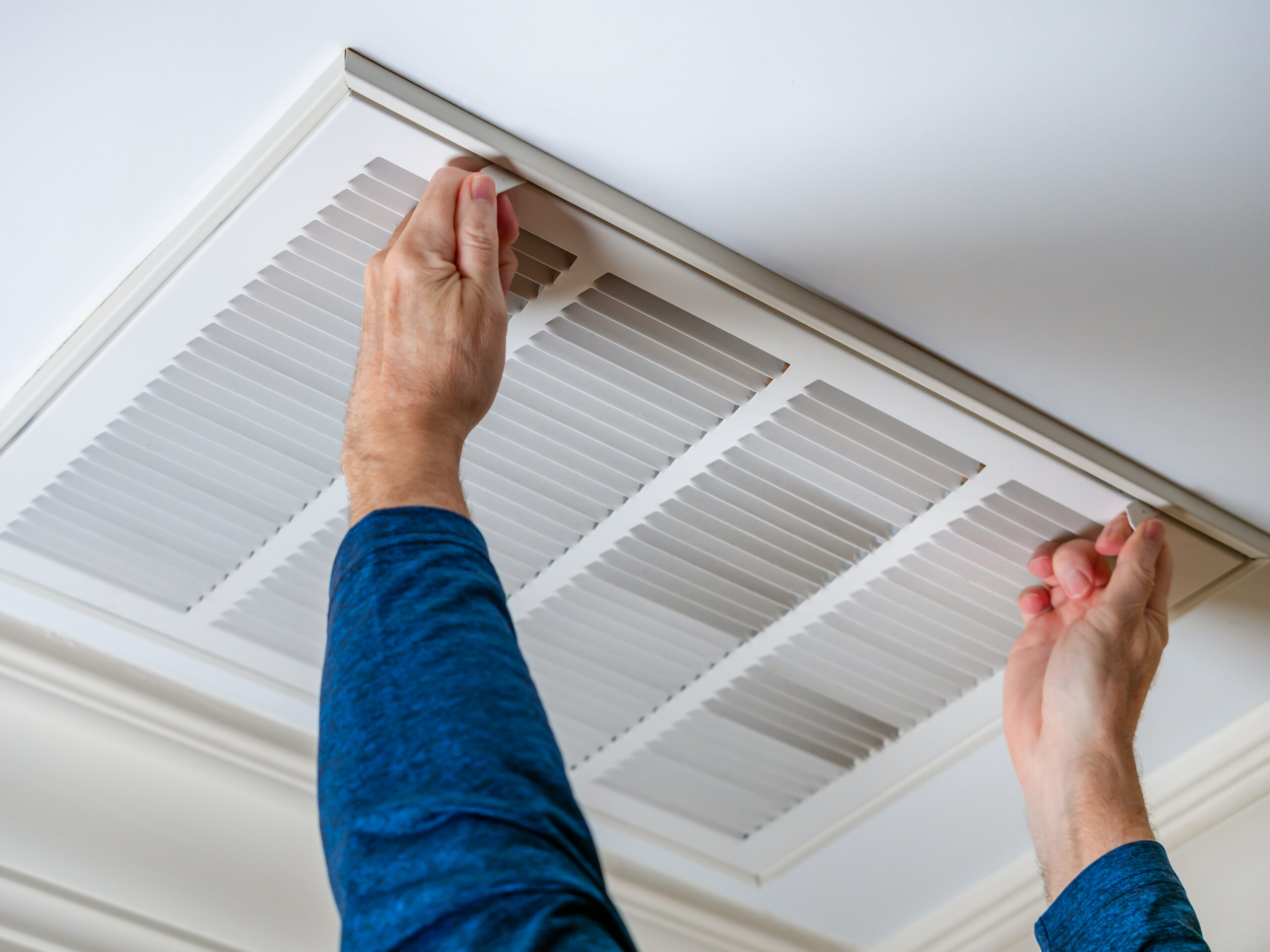
- Remove a supply vent cover and shine a bright flashlight into the duct. If you see a uniform clean surface, you are likely fine. If you see fuzz, clumps, or thick dust layers, it is worth a closer look.
- Wipe the inside edge of the duct boot with a white cloth. A light gray film is common. Heavy residue or gritty particles that fill the cloth point to a deeper clean.
- Take a photo with flash a few inches into the duct. Photos help you compare after you clean and make it easier to show a pro what you see.
- Check your filter after 30 days. If it is already packed with dust or pet hair, your system is catching lots of debris and may be pulling extra dust from returns or from a leaky duct run.
- Watch for dust puffs at startup. Set your phone to slow motion and record a vent when the system turns on. A visible puff means there is loose dust in the run or the boot.
- Inspect return grilles. Returns often get dirtier than supplies. A fuzzy return grille with dust crusted in the corners suggests more buildup downstream.
When to Call a Professional
Contact a qualified HVAC or duct cleaning professional if you see thick dust, clumps, or debris in multiple vents, if you smell musty or wet odors from ducts, after a renovation that created heavy dust, after a pest issue, or if there has been water damage near ductwork. Ask for before and after photos and a step-by-step outline of their process.
Cleaning Frequency and Timing in Milwaukee
There is no one-size schedule, but many homes benefit from duct cleaning every three to five years. Adjust based on your home’s reality. Homes with pets, smokers, large families, or frequent hosting often need more frequent attention. After any project that created dust, move cleaning to the front of the line. Milwaukee seasons can speed buildup. Long heating seasons recirculate indoor particles, and open windows in spring can add pollen and grit. Aim to clean during mild weather so you can go a few hours without heating or cooling during service.
After These Events, Schedule a Cleaning
- Remodeling or drywall work
- New home construction or a major move-in clean
- Fireplace use that left soot odors
- Mold remediation or a previous moisture issue
- Rodent or insect infestation in attic or crawl spaces
- Significant water leak near duct runs or the air handler
What to Expect From a Proper Duct Cleaning
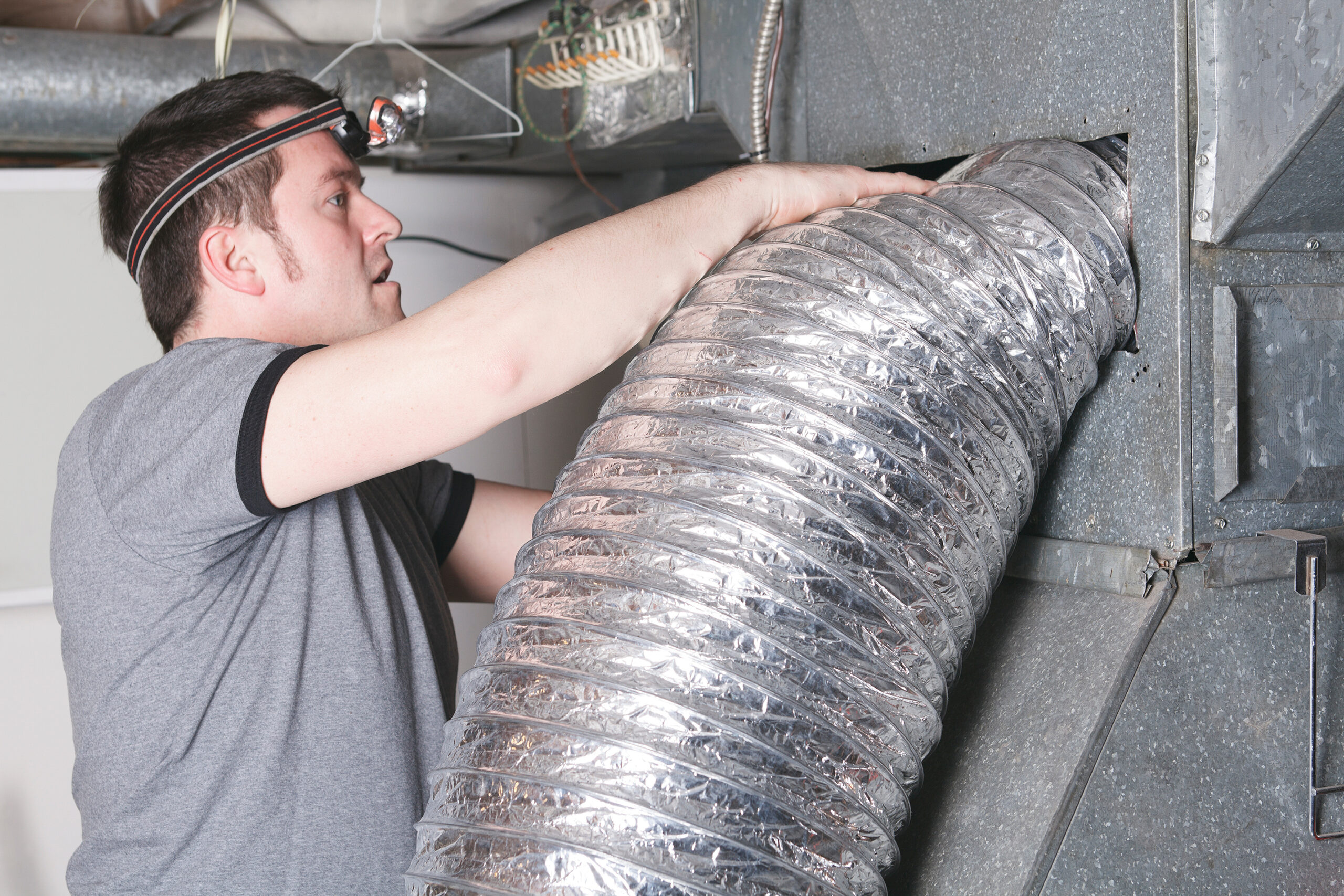
A reputable technician will start with an inspection and show you what they see. The cleaning should use a powerful negative-pressure vacuum attached to the trunk line to pull debris out while rotary brushes and air whips agitate dust from the walls. Registers and grilles should be removed and cleaned. The technician should protect your home with covers and corner guards and seal vent openings during cleaning to control dust. Depending on your system and the scope, they may also clean the blower compartment, evaporator coil housing, and return boots. Sanitizing agents may be used when appropriate, but they should never replace physical cleaning. You should see clear before and after images of the same sections.
Red Flags of a Low Quality Cleaning
- Very short appointments that end in less than one hour for a full home
- No photos or unwillingness to explain the process
- Quotes that are unclear about how many vents or trunks are included
- Fogging chemicals without mechanical brushing and vacuum extraction
- Pressure sales tactics or surprising fees at the door
- Technicians who are not familiar with your system layout or static pressure measurement
How Cream City Carpet Cleaning Fits Into Cleaner Air
Cream City Carpet Cleaning does not clean air ducts. Our specialty is floors, textiles, and hard surfaces that hold dust. That matters because cleaner carpets, rugs, and upholstery mean fewer particles become airborne and make their way into ducts. Our team serves Milwaukee and nearby communities with powerful truck-mounted equipment and eco-friendly solutions that lift embedded soil without harsh residues.
- Residential and commercial carpet cleaning that removes deep, dusty buildup
- Upholstery cleaning to refresh sofas, chairs, and office seating
- Area rug cleaning that targets fine dust and pet dander
- Pet odor and stain removal to tackle organic sources of bad smells
- Tile and grout cleaning to lift grime from textured floors and shower walls
What sets Cream City Carpet Cleaning apart is our focus on honest, clear service. We show up on time, explain what we will do, and work carefully so you get a true deep clean without upsells. Many Milwaukee homeowners pair duct service with a Cream City carpet and upholstery cleaning. The combination helps reset indoor surfaces so dust has fewer places to hide.
When to Call Cream City Carpet Cleaning
- Right after a duct cleaning to keep your system cleaner for longer
- After renovations that left fine dust coating your floors and fabrics
- At the start of allergy season to reduce triggers in rugs, carpets, and furniture
- Before listing your home for sale to improve first impressions and freshen the air
- Between duct cleanings as part of a seasonal maintenance plan
Simple DIY Maintenance to Slow Re-dirtying
- Use a quality filter. A MERV 8 to 13 filter often provides a good balance of filtration and airflow. Follow manufacturer advice for your system.
- Change filters on time. Set reminders every 30 to 90 days, and check more often with pets or heavy heating use.
- Vacuum weekly with a HEPA vacuum. Focus on high-traffic paths, rugs, and under furniture where dust settles.
- Use entry mats and a no-shoes policy. This cuts the grit and soil that grind into carpets and become airborne.
- Brush and bathe pets regularly. Less loose fur and dander means cleaner floors and cleaner ductwork.
- Seal duct leaks. Ask your HVAC pro about sealing return leaks that pull dusty attic or basement air into the system.
- Keep vents unblocked. Do not close too many registers. Restricted flow can create pressure imbalances that pull dust from unintended places.
- Run kitchen and bath exhaust fans during and after cooking or showers to manage humidity and particles.
- Maintain indoor humidity around 30 to 50 percent. Balanced humidity helps reduce static and keeps dust from becoming airborne as easily.
- Schedule regular professional cleanings for carpets, upholstery, and tile with Cream City Carpet Cleaning to remove the dust that feeds your ducts.
Frequently Asked Questions About Dirty Air Ducts Symptoms
Can dirty ducts cause odors?
Yes. Dust absorbs smells from pets, cooking, smoke, and humidity. When the blower starts, you may notice a stale or musty odor, especially after the system has sat idle. If you smell a sharp, sour, or mildew-like odor, call a pro to inspect for moisture issues. Cleaning ducts and returns, plus cleaning carpets and soft surfaces with Cream City Carpet Cleaning, often reduces lingering odors.
Is dust from ducts black or gray?
Most dust is gray. Black dust can show up near gas appliances, fireplaces, or candles. Fine black residue could be soot, while dark specks in damp areas may be something else. Do not assume. If you see unusual colors or heavy buildup, schedule an inspection and ask for photos and an explanation before any treatment.
Will cleaning ducts solve my allergies?
It can help, but it is not a cure. Allergens live in ducts, carpets, bedding, and upholstery. A complete plan works best. Use good filters, clean ducts as needed, vacuum with HEPA filtration, and schedule professional cleaning for carpets, rugs, and furniture. Cream City Carpet Cleaning can remove deep dust and dander from these surfaces so your whole home feels fresher.
How long does a proper duct cleaning take?
It depends on home size, number of registers, and system layout. A typical single-system home may take two to four hours. Larger homes, homes with multiple systems, or homes with heavy buildup can take longer. Time spent on prep, sealing, and thorough brushing is a good sign.
How much does duct cleaning cost?
Prices vary based on home size, number of vents, the condition of the system, and whether additional areas like the blower or coil are included. Ask for a written estimate that details how many vents and trunks are covered, the equipment used, and what results to expect. Be wary of prices that seem too low for the work described.
See the Signs, Protect Your Home
Dirty air ducts symptoms are often right in front of you. Dust that returns the day after you clean, musty blasts at startup, black rings around vents, and rising energy bills are all clues. Confirm with a simple inspection and do not hesitate to bring in a qualified professional for a thorough cleaning when needed. For the rest of the dust in your home, turn to Cream City Carpet Cleaning. We serve Milwaukee and the surrounding area with careful, affordable, and transparent cleaning for carpets, upholstery, rugs, and tile. When your surfaces are clean, your air feels cleaner too. Ready to breathe easier and reduce dust at the source? Schedule an inspection with a trusted HVAC pro and book your next deep clean with Cream City Carpet Cleaning today.